


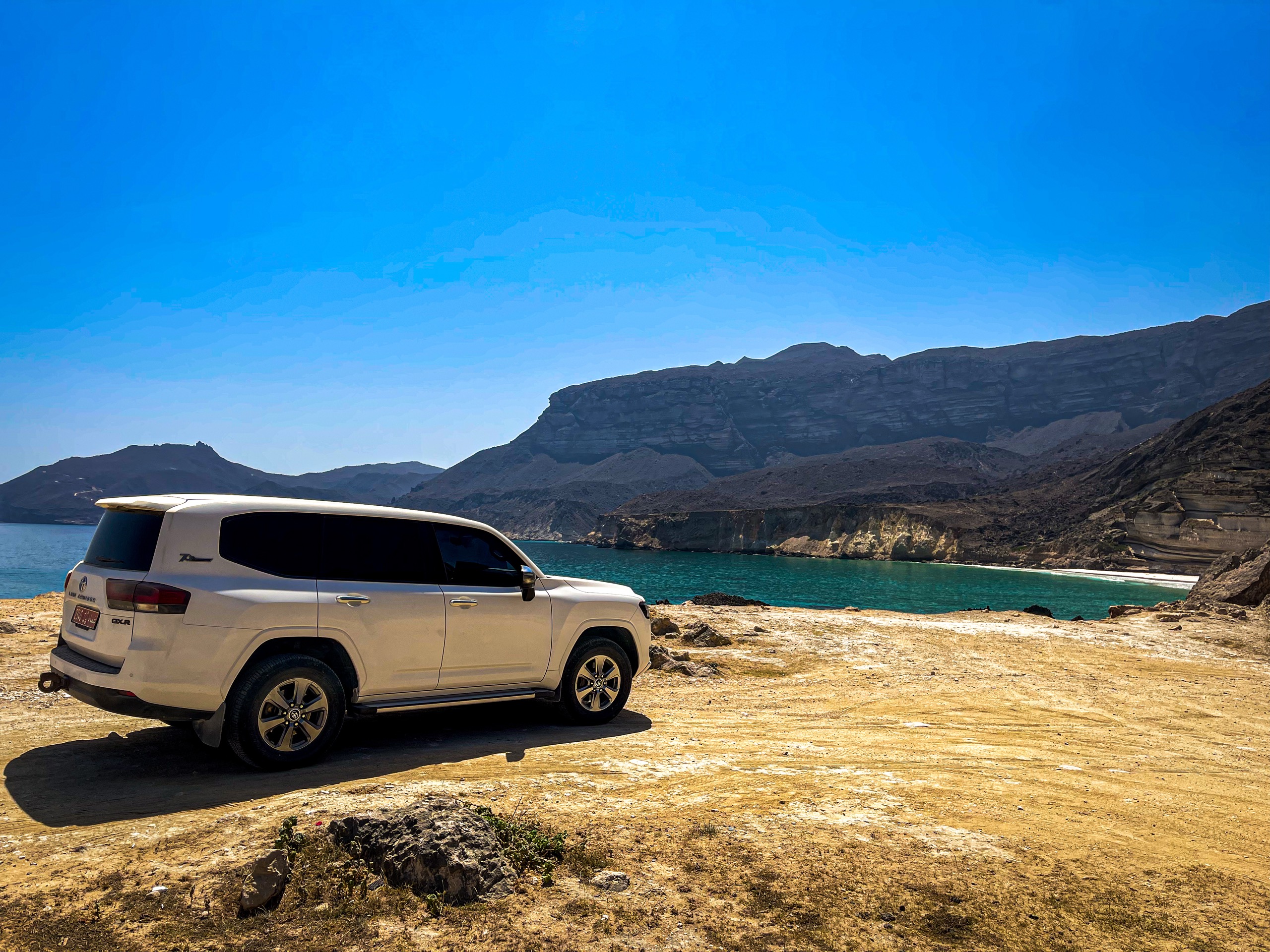
Oman Photography Tour with a Private Driver – Muscat, Mountains & Desert
Sometimes you need another ten minutes. You’ve found a view you like, but the light is only just reaching the hills. Or you’ve noticed a lane near the souq and would rather explore it than move on to the next stop.
That can be awkward on a group tour. Everyone else is ready to leave.
An Oman photography tour with a private driver gives you room to plan those longer stops. You can spend more time in the places that interest you, with the route and driving agreed in advance.
You don’t need to be a professional photographer, either. Perhaps you take photos on your phone. Perhaps you’re the person on every family trip who asks for “just one more shot.” What helps is having time to look, without feeling that you’re holding everyone up.
Which Parts of Oman Do You Want to Photograph?
Muscat, the mountains and the desert give you quite different days out.
Around the coast, there are harbours, old streets and markets. Inland, you have forts, palm groves and mountain villages. Then there are the dunes of Sharqiyah Sands, where a change in light can alter the whole picture.
The hard part is choosing what to leave out.
It might look possible to fit Muttrah, Nizwa, Jebel Akhdar and the desert into one long day. But the driving would leave little room for the reason you came. Pick the places you care about most, and give them time.
Where to Stop for Photos
1. Muttrah Corniche and the Old Souq
Start on the corniche. The harbour curves past white buildings, with steep hills behind them. Boats, the waterfront and the layers of mountains give you plenty to photograph before you reach the souq.
Inside, you may find yourself looking at much smaller things: brass on a shelf, folds of fabric, an incense box or a patch of light across a lane. Take a walk through before deciding where to stop.
And talk to people. Ask before taking a photo of a shopkeeper or customer. Someone may be happy to chat but not want their picture taken, and that’s fine.
2. Old Muscat and Al Alam Palace
Al Alam Palace’s blue-and-gold façade is an obvious subject. Look beyond it, too. The public areas around the palace offer lines and patterns, while the hills and old forts give you something to include in a wider shot.
The palace itself isn’t somewhere you can simply walk into. Stay in permitted public areas and follow signs or staff instructions about access and photography.
You can spend time looking for an angle you like without needing to go behind the gates.
3. Nizwa Fort and Souq
The fort’s round tower may be what brings you to Nizwa. Leave time for the souq next door, though. Pots, baskets, spices and silverwork can hold your attention just as easily as the view from a historic building.
An earlier visit can help with the heat and give you time around the market. Check the fort’s opening hours before settling on a departure time from Muscat.
Try not to make this a hurried stop on the way somewhere else. You may want to spend longer at the fort, or you may find that the market is what interests you most.
4. Jebel Akhdar’s Villages and Viewpoints
Up on Jebel Akhdar, the views open out across canyons and terraced slopes. Around Al Ayn and Ash Shirayjah, you can also look for smaller scenes among the stone walls, trees and water channels.
The viewpoint associated with Princess Diana is one option. But leave room for the village paths as well, rather than making the day only about a single lookout.
Late-afternoon light can bring out the texture of the hills. Weather and visibility will still have a say, so don’t build the whole trip around getting one exact shot.
A suitable 4WD is required beyond the Jebel Akhdar mountain checkpoint. Agree on the vehicle and route before you set off, and allow time for the climb and the return journey.
Watch your footing on the village paths. Some are uneven, and exposed edges aren’t places to step backwards while looking through a camera.
5. Sharqiyah Sands, Also Known as Wahiba Sands
In the desert, the shadows matter as much as the sand. Low morning or evening light makes the ridges stand out. Stay for a while and you’ll start to notice shapes you missed when you first arrived.
For both sunset and sunrise, plan a night at a desert camp. It gives you time at either end of the day without trying to fit everything around a return drive to Muscat.
Ask how you’ll reach the camp and whether a 4WD transfer is needed. It’s worth asking about the walking, too. Loose sand takes more effort than a firm path, especially with a camera bag on your back.
How Much Time Will You Need?
Half a day in Muscat: Keep to Muttrah and Old Muscat. You can spend time by the harbour, walk through the souq and photograph the palace from public areas. Leave inland trips for another day.
One full day from Muscat: Nizwa gives you a mix of the fort, market and palms. Adding Jebel Akhdar means more driving and less time at each stop, so discuss that trade-off before booking.
Three or more days: You have more room for a city day, a mountain stay and perhaps the desert. Plan the nights as carefully as the stops. Being nearby matters when you hope to photograph the first or last light of the day.
Don’t forget the ordinary parts of a trip: lunch, checking into your hotel and taking a break. They need time as well.
A Three-Day Route, with a Choice on the Last Day
This route assumes you’ve arrived in Oman before the first sightseeing day. The final day depends on whether you’d rather spend longer in the mountains or continue to the desert.
Day 1: Stay in Muscat
Spend the day around Old Muscat and Muttrah. The order can depend on the light and what you’d most like to photograph.
Visit the public viewpoints around Al Alam Palace, walk along the corniche and give the souq more than a quick pass. Leave a gap for coffee or a second look at somewhere you liked. You don’t have to cover every city landmark.
Day 2: Nizwa, Then the Mountains
Head inland to Nizwa for the fort and souq. Continue to Jebel Akhdar in a suitable 4WD if that fits the agreed route and the time available.
A night in the mountain area means you can plan for late-afternoon photos without adding a long return drive to Muscat that evening.
Day 3: More Mountain Time, or On to the Desert
You could stay around Jebel Akhdar for more village walks and canyon views, then head back at a comfortable pace.
Or you could travel on to Sharqiyah Sands and spend the night there. Allow for the drive, camp access and check-in rather than treating the desert as one last quick stop.
With the desert option, sunrise falls on the fourth morning. Keep that extra night in your plans, along with time for the journey from the camp to your next stop.
The route is a starting point to discuss with your tour provider, not a fixed package.
What to Bring
Bring the camera you enjoy using. A phone is fine. With a camera that takes different lenses, a useful zoom can save you from changing lenses over and over in wind or sand.
Pack spare batteries or a power bank, a lens cloth, water and sun protection. A small backpack keeps your hands free and is easier to manage than several cases on a village path.
Wear shoes with a good grip, especially around rocky viewpoints. A light jacket may also be useful in the mountains during cooler months.
You don’t need to carry every piece of kit you own. You’ll still have to carry it back.
Taking Photos of People, Places and Private Spaces
Ask before taking close-up photos of people. Around homes, villages and religious sites, take your cue from the people there and respect their space.
Follow photography notices at forts, museums, mosques and official buildings. A good view doesn’t mean that every part of it is open to visitors.
Bringing a drone needs separate planning. Check the current requirements with Oman’s Civil Aviation Authority before travelling with one, including the approvals and location restrictions that apply. A private tour booking does not give you permission to fly.
What to Agree with Your Driver
Tell your driver what matters to you before the trip. You might want a long stop in the mountains and less time shopping. Or you might prefer a slow morning in Muscat to an early start and a full day on the road.
Be clear about the stops and the hours you’ve booked. A private trip gives you more choice, but it doesn’t make every roadside view a safe place to pull over.
Also, a private driver is not automatically a photography instructor. Transport, technical lessons and specialist photographic guiding are different services. Ask what’s available and what’s included, especially when photography is the main reason for your visit.
Planning Your Trip with Link International Tours
At Link International Tours, we help travellers arrange private transport and trips around Oman.
Tell us how long you’ll be here, who’s coming with you and what you like to photograph. Are you drawn to buildings and markets? Would you rather spend more time in the mountains? Perhaps you just want a family trip with room for a few longer photo stops.
You can browse our Oman tour packages or read more about travelling in Oman with a private driver.
We’ll discuss the route, pace and vehicle with you before confirming the trip. Mountain roads and desert stays need the right transport arrangements, so mention those plans when you enquire.
Frequently Asked Questions
Do I need a professional camera?
No. A phone is enough to enjoy the stops and take photos along the way. Bring the camera you’re comfortable using.
Can I take a half-day photography tour in Muscat?
Yes. Keep the outing focused on Muttrah and Old Muscat. That leaves time for the harbour, souq and architecture without adding a long drive inland.
Is Jebel Akhdar a good choice for landscape photos?
Yes, particularly for canyon views, terraces and villages. You’ll need a suitable 4WD beyond the mountain checkpoint. Some paths are uneven, so think about how much walking you’d like to do.
Do I need to stay overnight in the desert?
Not for every visit. But an overnight stay makes sense when you hope to photograph both sunset and sunrise. Check the camp and transfer arrangements before booking.
Can I use a drone on the tour?
Don’t assume so. Check the current Civil Aviation Authority requirements and the restrictions at each location. Booking a driver is separate from getting permission to fly.
Will the driver teach me photography?
Not unless that service has been specifically arranged. Ask for a photography instructor or specialist guide when you enquire, so you know whether one is available.
Leave Some Time Unplanned
You may come to Oman for the mountains and find that you spend just as long taking photos in the souq. Or the place you most want to return to may be a quiet street you hadn’t put on the list.
Leave room for that. And leave room to put the camera away now and then, too.
To arrange an Oman photography tour with a private driver, send Link International Tours your dates, group size and a few places you’d like to see. We’ll discuss a route from there.
Link International Tours
WhatsApp: +968 7228 0555
Email: info@lnkoman.com
Website: https://www.lnkoman.com
